This case study comes from a recent conversation with Dr Jack Egan of Baldivis Vet Hospital, WA on our podcast, Arthramid in Practice. Find it on all major podcast platforms.
When a promising ex‑racehorse‑turned‑eventer/showjumper began to struggle with increasing hock discomfort, the challenge was not only to restore comfort, but to safeguard his career. This case demonstrates the clinical reasoning behind moving from short‑acting steroid treatments to a longer‑term, synovium‑targeted therapy: 2.5% iPAAG (Arthramid®).
Early Performance and First Concerns
Before his soundness challenges emerged, Imprazzire had had an extensive and successful career across multiple disciplines.
He completed a four‑year racing career with 37 starts and multiple wins and placings before retiring in December 2006. After racing, he enjoyed a decade of eventing and showjumping, lightly campaigned up to 1* level and widely regarded as one of those rare “perfect horses” – safe, reliable, experienced, and genuinely enjoyed his work.
He was purchased by an administrative staff member at Dr Egan’s veterinary hospital in 2016 as a 15-year-old schoolmaster. His pre‑purchase examination showed mild hock changes that might become performance‑limiting, although he was completely sound at that stage.
By 2018, at around 17–18 years of age, he began to show early signs of hock discomfort, including disuniting in the canter, “stickiness” in the hindquarters and uncharacteristic refusals at fences.
Flexion responses and the clinical picture localised pain to the distal tarsal joints.
Short‑Lived Relief from Steroids
To support him through the 2018 season, his hocks were treated with triamcinolone. The timeline from the veterinary notes shows a clear pattern:
- 29 March 2018 – Triamcinolone; ~11 weeks of relief
- 12 June 2018 – Repeat triamcinolone; ~11 weeks of relief
- 30 August 2018 – Third triamcinolone treatment; ~8 weeks of relief
This diminishing duration of effect reflects a common constraint of steroid management in some horses: effective for short‑term inflammation control, but often unsuited to maintaining joint comfort long-term.
By late October 2018, the horse again required treatment. At this point, Dr Egan treated both TMT Joints with Arthramid with the aim of restoring synovial homeostasis and delivering consistent, longer‑term joint support.
Performance Outcomes
The response to Arthramid® became clear over the following weeks. He returned to work with improved freedom through the hindlimb, better willingness in the canter, and a return of the rideability he had shown throughout his career.
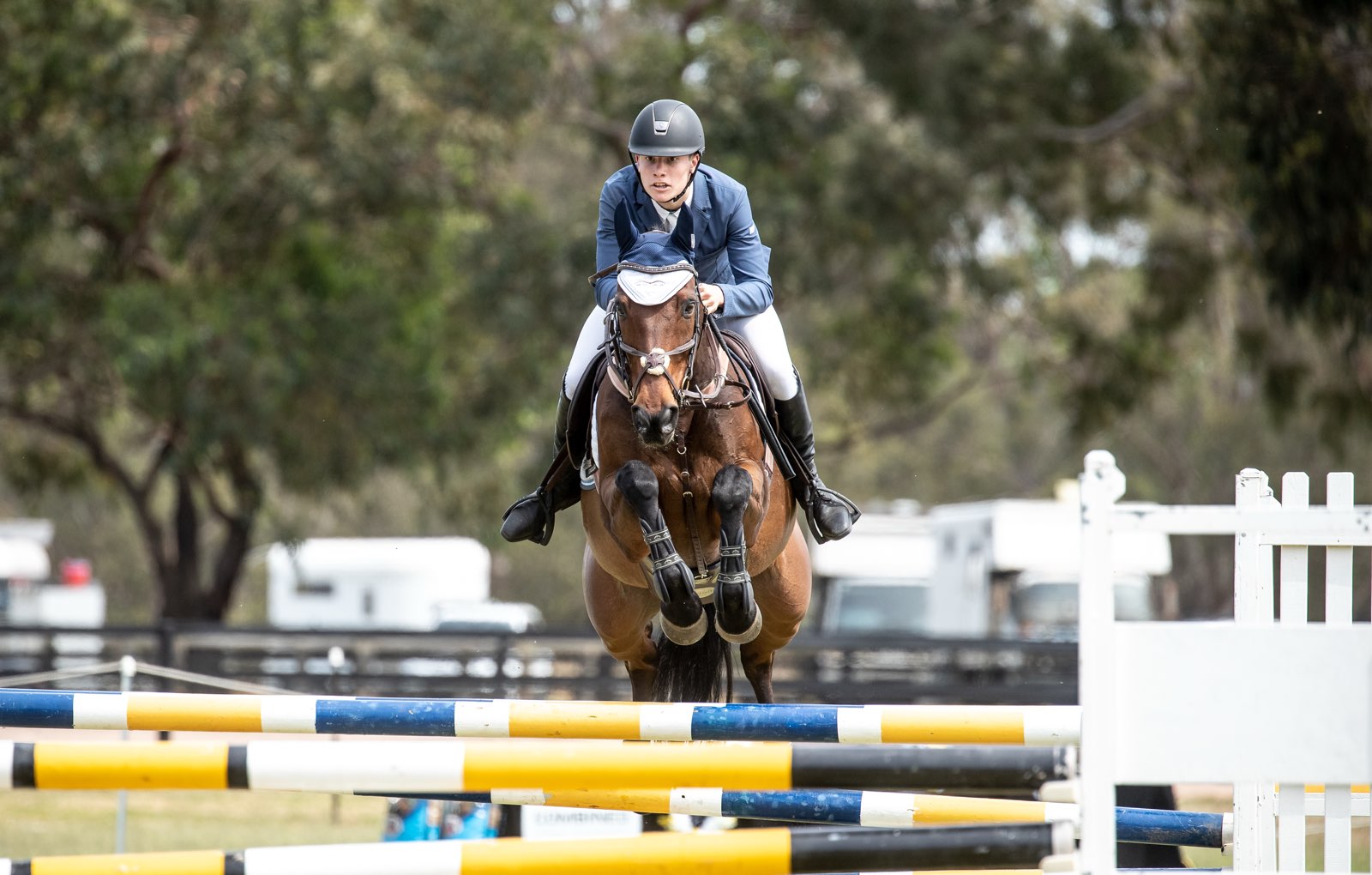
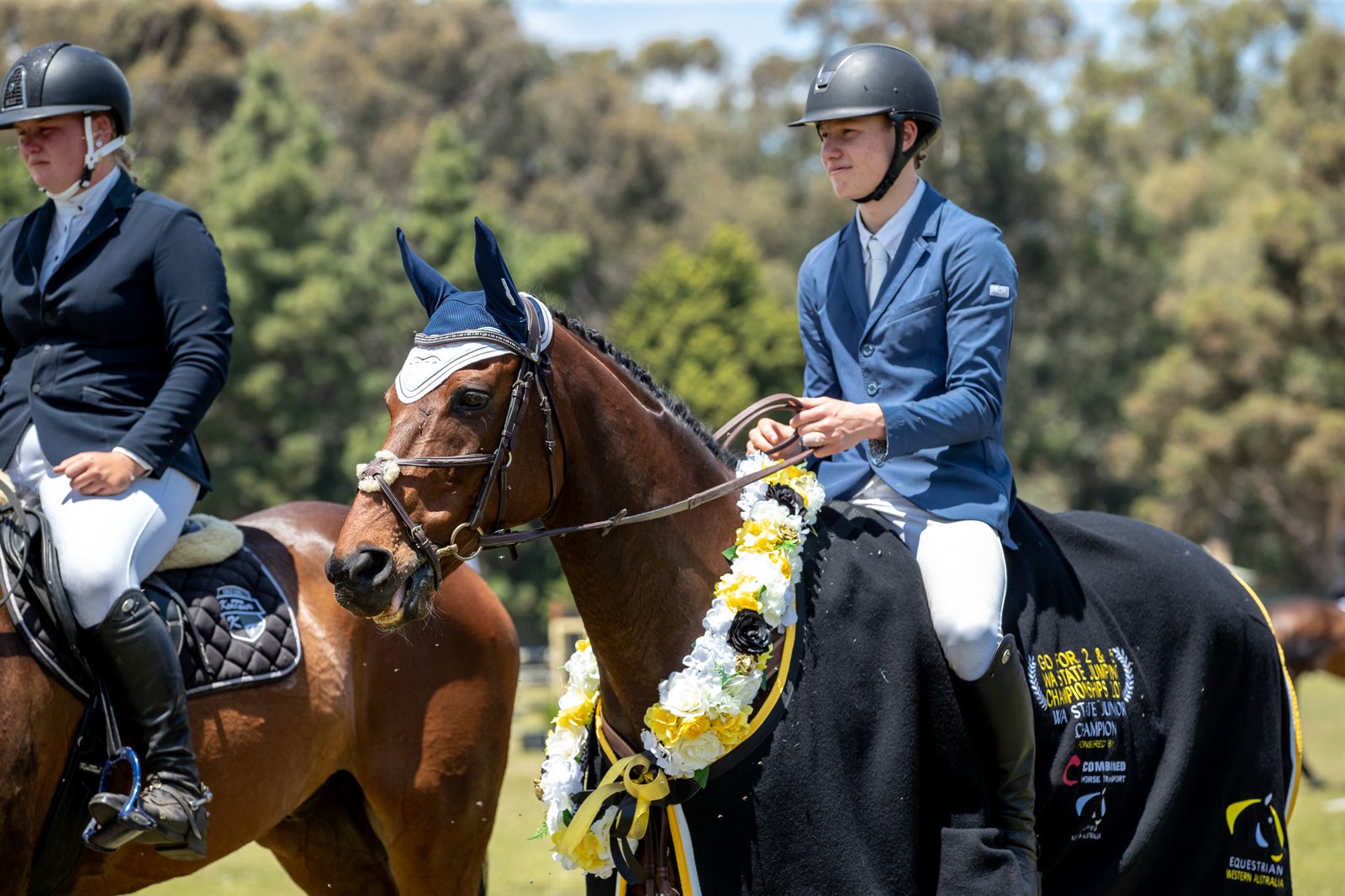
Shortly after treatment, he won the 2018 State Junior Showjumping Title, placed in the 2018 Young Rider Class in late November and accumulated multiple high‑point Off the Track awards at major events.
Given the strong response, Arthramid® became part of a proactive management plan. One year later, both TMT’s were again treated with Arthramid® as a precautionary, not due to clinical issues.
In 2020, Impazzire was passed on to another junior rider, and presented completely sound during the pre-season check. No treatment was required.
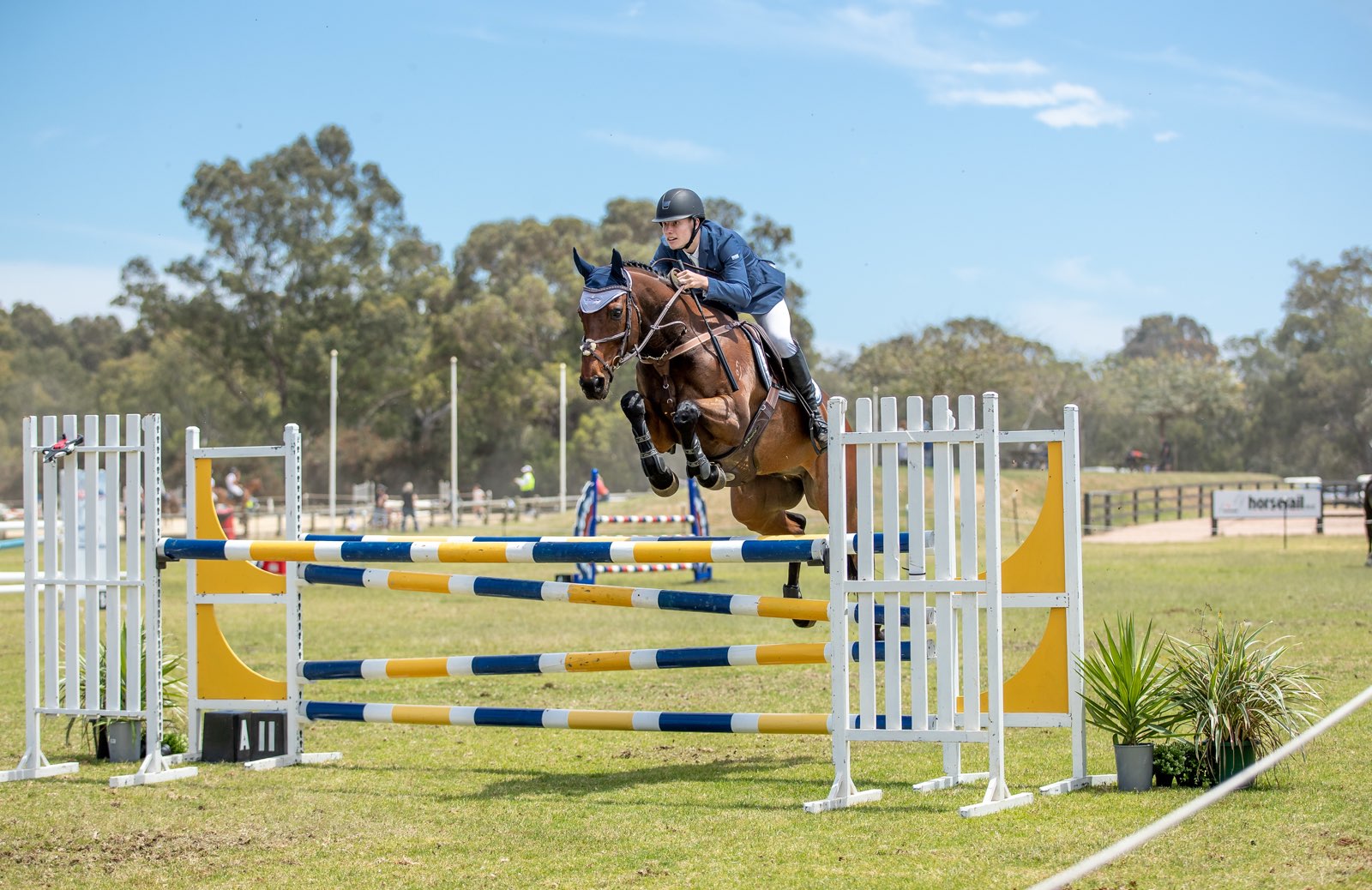
In August of 2021, aged 22 years old, mild disuniting reappeared, so they again treated both TMT joints with Arthramid®. That season he competed successfully at major events, including Eventing in the Park, winning and placing in multiple Junior/Young Rider classes and he won the Speed class at the Yalambi Championships up to 1.35m.
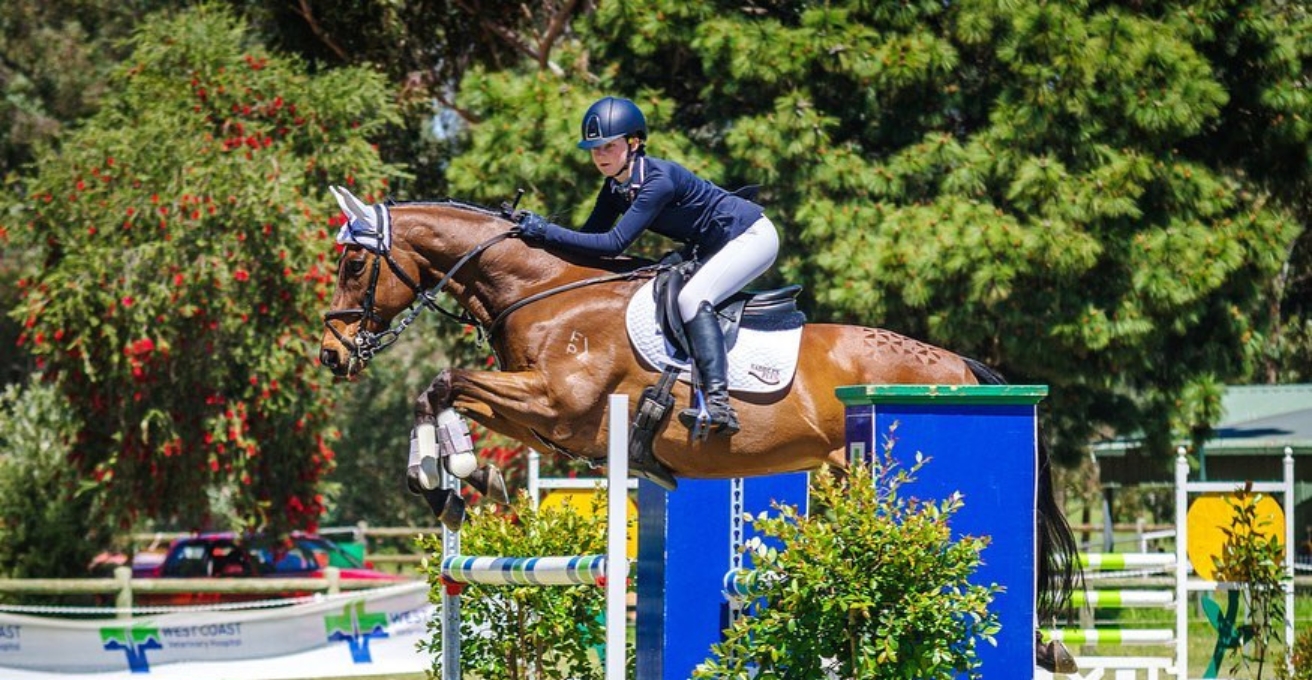
In 2023, during his final competitive season at 23 years of age he was still competing up to 1.30m with a 15‑year‑old rider and his hocks were treated one final time with Arthramid as a preventive measure.
He finished that season with a win in the Perth Royal Show Six Bar competition, defeating a field of warmbloods and he was retired completely sound and comfortable. A result that would not have been possible had they had to rely on Triamcinolone or traditional methods alone.
Listen to the full conversation
Hear Dr Egan discuss this case, along with his insights on treatment sequencing and clinical decision‑making in the full episode of our podcast:
→ Listen to Arthramid in Practice on all major podcast platforms