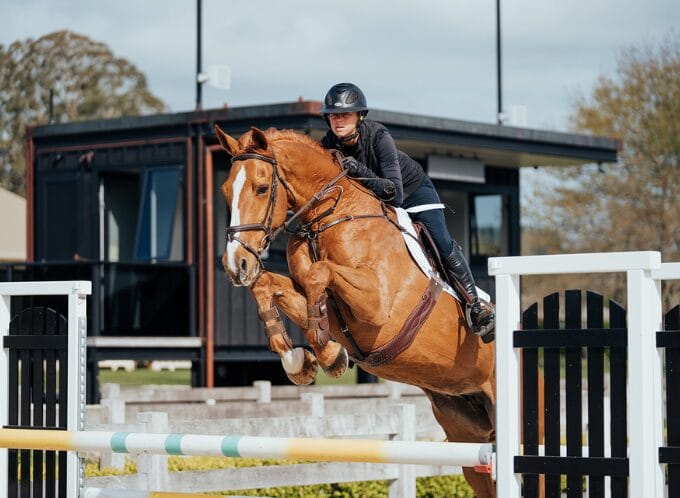

Riverrock trainer at track with horses

Helping Horses Stay Sound for Longer

Performance changes are often gradual.

A horse that feels less willing under saddle, shortens its stride, becomes resistant in work, or takes longer to warm up may be showing early signs of joint stress or discomfort.

Arthramid is a veterinarian-administered joint treatment designed to support long-term soundness, comfort, and performance in horses.

By supporting synovial health and joint function, Arthramid helps horses remain capable, comfortable, and performing at their best across seasons.

Download Brochure

WHY EARLY ACTION MATTERS

Trainers and riders are often the first to notice subtle changes in movement, willingness, recovery, or performance.

Recognising these early changes and discussing them with your veterinarian may help support better long-term joint health, comfort, and performance outcomes for your horse.

Addressing joint concerns early may also help horses remain more comfortable in work, recover more consistently, and continue performing across training, competition, and everyday riding.

Arthramid is a veterinarian-administered treatment designed to support long-term joint comfort and function in horses experiencing joint-related discomfort or reduced performance.

SIGNS OF JOINT DISCOMFORT TO DISCUSS WITH YOUR VET

Signs worth raising with your veterinarian may include:

  • reluctance to work or reduced willingness under saddle
  • changes in stride length, rhythm, or overall movement
  • stiffness, particularly after rest or early in exercise
  • resistance behaviours such as napping, bucking, or irritability under saddle
  • visible joint swelling or ongoing stiffness
  • changes in performance, recovery, or overall comfort

Identifying these changes early and discussing them with your veterinarian can help support better long-term outcomes for your horse.

Real Experiences & Veterinary Insights

Testimonial | Deary Performance Horses
Watch video
Dr Leigh de Clifford
Product Overview & Clinical Guidance with Dr Leigh de Clifford
Watch video

Common Questions from Horse Owners & Trainers

What is Arthramid?

Arthramid is a veterinarian-administered joint treatment used in horses affected by osteoarthritis.

Following injection into the joint, Arthramid integrates into the synovial membrane to help support long-term joint function, comfort, and soundness.

Arthramid is designed to support:

  • reduced joint stiffness and effusion
  • improved comfort and willingness to move
  • long-term joint support in horses affected by osteoarthritis

Many horses experience sustained improvement following a single treatment.

How do I know if my horse may need treatment?

Subtle changes in movement, behaviour, or performance are often the first signs that something may not be quite right.

Signs worth discussing with your veterinarian may include:

  • reluctance to work or reduced willingness under saddle
  • stiffness, particularly after rest or early in exercise
  • changes in stride length, rhythm, or overall movement
  • joint swelling or ongoing discomfort
  • resistance behaviours such as bucking, napping, or irritability under saddle

Arthramid is a veterinarian-administered treatment used in horses affected by osteoarthritis, and your vet can help determine whether treatment may be appropriate for your horse.

Is Arthramid safe?

Arthramid has been extensively researched and used internationally in both veterinary and human medicine for the management of osteoarthritis.

When administered by a qualified veterinarian, Arthramid is designed to support long-term joint function and comfort in horses affected by osteoarthritis.

Treatment is performed under strict aseptic conditions, and many horses show gradual improvement in comfort, movement, and willingness to work over the weeks following injection.

Arthramid may also be used in multiple joints and repeated over time if recommended by your veterinarian.

Are there any side effects or reactions following Arthramid treatment?

Arthramid has been extensively researched and is generally well tolerated when administered by a qualified veterinarian.

In some cases, horses may experience mild swelling or tenderness around the treatment site following injection. These reactions are typically temporary and resolve over time as the joint settles.

If you notice any ongoing discomfort or unexpected changes following treatment, you should contact your veterinarian for advice.

How quickly does Arthramid work?

Arthramid begins integrating into the joint following treatment, with full integration typically occurring over 10-14 days.

Many horses show gradual improvement in comfort, movement, and willingness to work during this period, with continued progress over time.

Unlike treatments designed to temporarily mask discomfort, Arthramid is designed to support long-term joint function and synovial health.

Your veterinarian can advise on expected recovery timelines and return-to-work plans based on your horse’s individual needs.

How long does Arthramid last?

The duration of response can vary between horses and individual cases, however many horses experience sustained improvement for a full season or longer following treatment.

Arthramid is designed to support long-term joint function and comfort, helping horses remain capable and performing at their best over time.

Your veterinarian can advise on expected outcomes and whether Arthramid may be appropriate for your horse.

How does Arthramid Work?

Arthramid is designed to integrate into the synovial membrane following injection into the joint, with integration typically occurring over 10-14 days.

By supporting synovial health and joint function, Arthramid helps:

  • reduce stiffness and joint discomfort
  • support smoother, more comfortable movement
  • maintain long-term soundness and performance

Arthramid is a veterinarian-administered treatment designed to support horses affected by osteoarthritis over the long term.

What is the synovial membrane?

The synovial membrane is the soft tissue lining inside the joint that produces the fluid responsible for lubrication, cushioning, and smooth joint movement.

When the synovial membrane becomes irritated or damaged, horses may begin to experience stiffness, discomfort, reduced performance, and ongoing joint issues associated with osteoarthritis.

Arthramid is designed to support synovial health and long-term joint function in horses affected by osteoarthritis.

When is the best time to use Arthramid?

Arthramid may be used in both early and more advanced stages of osteoarthritis, however many veterinarians recommend addressing joint changes early where possible.

Recognising subtle changes in movement, comfort, or performance and discussing them with your veterinarian early may help support better long-term outcomes for your horse.

By supporting synovial health and joint function, Arthramid is designed to help horses remain comfortable, capable, and performing at their best for longer.

What should I expect after Arthramid treatment?

Following treatment, your veterinarian will usually recommend a short period of rest along with a gradual return to exercise over the following couple of weeks.

Many horses show gradual improvement in comfort, movement, and willingness to work during this time, with continued progress over the weeks that follow.

A follow-up assessment with your veterinarian may be recommended to monitor your horse’s response to treatment and discuss any ongoing management needs.

Some horses may benefit from additional treatment over time depending on their individual response, workload, and joint condition.

What is a typical rehab programme for a competition or sport horse following Arthramid treatment?

Your veterinarian will recommend a rehabilitation plan tailored to your horse’s individual needs, workload, and affected joints.

In many cases, horses are rested for 48–72 hours following treatment before beginning a gradual return-to-work programme.

A typical progression may include:

  • light hand walking during the first week
  • gradual reintroduction of trot work over the following weeks
  • progressive return to canter work and normal training if the horse is moving comfortably and responding well

Many horses are able to return to normal work within approximately 6 weeks, depending on the severity of joint changes and their individual response to treatment.

Ongoing lameness or performance concerns should always be reassessed by your veterinarian.

Can I continue to exercise my horse after Arthramid treatment?

A short period of rest is usually recommended following Arthramid treatment, typically around 48–72 hours, followed by a gradual return to light exercise over the following couple of weeks.

Lower-impact exercise such as hand walking, swimming, or treadmill work may be recommended during this period, depending on your horse’s individual programme and veterinary advice.

Many horses are then able to progressively return to normal training and competition as comfort, movement, and performance improve.

Your veterinarian will advise on the most appropriate return-to-work plan based on your horse’s condition, workload, and response to treatment.

Can Arthramid be used if my horse has already started preparation?

Yes.

Many horses are treated while already in work or preparation.

Where possible, treatment is often planned around training and competition schedules to allow time for the recommended post-treatment recovery and gradual return to exercise.

Earlier intervention may help support better long-term joint health and performance outcomes, however your veterinarian can advise on the most appropriate timing based on your horse’s individual programme and workload.

Is Arthramid as effective as corticosteroid treatments for lameness?

Clinical studies have shown positive outcomes for horses treated with Arthramid, including sustained improvement in comfort, movement, and performance following treatment.

Arthramid is more effective than corticosteroids, supporting long-term synovial health and joint function over time rather than temporarily masking discomfort.

Because Arthramid integrates gradually into the joint, improvement is often progressive over the weeks following treatment.

Your veterinarian may recommend Arthramid alongside other treatment or management approaches depending on your horse’s individual condition and workload.

Who can administer Arthramid?

Arthramid is a veterinarian-administered joint treatment available only through qualified veterinarians.

Your veterinarian will assess whether Arthramid may be appropriate for your horse and carry out the treatment under sterile clinical conditions.

Can Arthramid be used for sacroiliac pain in horses?

No. Arthramid is not indicated for the treatment of sacroiliac disease in horses.

Arthramid is designed for use in synovial joints affected by osteoarthritis, where it supports long-term joint function and comfort.

Sacroiliac pain is often managed through a combination of veterinary assessment, controlled exercise programmes, rehabilitation, and other treatment approaches depending on the individual horse.

Your veterinarian can advise on the most appropriate management plan for your horse’s condition.

Interested in talking to us and learning more?

Send us a message and we will get in touch

BOOK NOW

Get The White Paper

This field is for validation purposes and should be left unchanged.

Secret Link