
From Human Research to Veterinary Medicine

Arthramid 2.5% iPAAG is not a new technology. The injectable polyacrylamide hydrogel at its core has been researched and refined for more than 25 years, with origins in human health applications before being developed for veterinary use.

Today, the same core technology supports long-term joint health applications across human, equine, and canine medicine through ongoing research, clinical studies, and GMP-certified manufacturing.

Backed by published research, veterinary clinical experience, and continued international collaboration, Arthramid has become a trusted option for veterinarians managing joint lameness and osteoarthritis in horses and dogs.

The iPAAG Story

The development of Arthramid in veterinary medicine is built on decades of research into injectable polyacrylamide hydrogel technology and its role in supporting long-term joint health.

Originally explored within human medicine, iPAAG technology was later developed for veterinary applications to help address joint lameness and osteoarthritis in horses and dogs through a targeted synovial approach.

In New Zealand and Australia, Arthramid is supported by experienced veterinarians working closely with owners, trainers, and veterinary professionals to combine published research with practical clinical application.

This ongoing collaboration between research, manufacturing, and veterinary practice continues to shape how Arthramid is used across equine and canine joint health today.


Key Research & Development Milestones

The development of 2.5% iPAAG technology has been shaped by ongoing research, peer-reviewed publications, clinical studies, and veterinary application over more than 25 years.

2000 — Early Human Applications

Polyacrylamide hydrogel (PAAG) begins use in human medicine for soft tissue augmentation and reconstructive applications. Early clinical use demonstrates strong biocompatibility and long-term tissue integration.

2001 — Aquamid Launches in Human Medicine

PAAG technology is commercially introduced for human cosmetic and soft tissue applications under Aquamid, supporting ongoing research into long-term injectable hydrogel technology.

2006 — Early OA Research Shows Positive Results

Experimental animal studies begin evaluating the role of 2.5% iPAAG in osteoarthritis management, with early findings demonstrating promising joint support and tissue response outcomes.

2008 — Tnibar et al: OA Progression Study

Research using an experimental goat OA model demonstrates that 2.5% iPAAG may help improve joint capsule elasticity and reduce progression of osteoarthritis-related changes observed on MRI.

2009 — Arthramid Veterinary Studies Commence

Dedicated equine-focused studies begin investigating the use of 2.5% iPAAG for joint lameness and osteoarthritis in horses.

2012 — Janssen et al Publication

A study evaluating distal interphalangeal joint lameness in horses reports positive clinical outcomes following Arthramid treatment in cases unresponsive to previous therapies.

2014 — Tnibar et al Evaluation Study

Further research evaluates the intra-articular use of 2.5% iPAAG in an induced OA goat model, contributing additional evidence around joint response and safety.

2015 — Multi-Centre Long-Term Follow-Up Study

Tnibar et al publish an international multi-centre study demonstrating long-term safety and efficacy of Arthramid in horses with osteoarthritis and joint lameness.

2016 — Bathe et al & Synovial Integration Research

Research continues into the mechanism of action of 2.5% iPAAG, including studies investigating synovial membrane integration and long-term joint support.

2017 — Safety & Mechanism Data Expands

Additional OA model research further supports the safety profile and proposed mechanism of action of 2.5% iPAAG in joint health applications.

2018 — Human OA Studies Commence

Further human osteoarthritis-focused studies begin exploring the broader applications of PAAG technology in joint health management.

2019 — de Clifford et al Thoroughbred Study

A positive control study comparing 2.5% PAAG with conventional intra-articular therapies in racing Thoroughbreds demonstrates superior efficacy and safety outcomes.

2020 — Arthramid Approved in New Zealand & Australia

Arthramid receives veterinary approval in New Zealand and Australia following review of clinical efficacy, safety, toxicology, chemistry, and manufacturing data.

2021 — de Clifford & Lowe et al Publication

Research comparing PAAG against triamcinolone acetonide and sodium hyaluronate in Thoroughbred racehorses supports the long-term efficacy and safety profile of Arthramid.

2022 — AAEP Educational Partnership

Contura Vet becomes an educational partner of the AAEP, while further review articles and synovial research continue to strengthen understanding of 2.5% iPAAG in equine joint health.

2023 — Canine Approval & Expanded Research

Arthramid receives approval for canine use in the USA, while additional equine and canine studies continue investigating treatment outcomes and long-term joint support.

2024 — Lowe et al Histology & Safety Study

Histology research confirms integration of the gel within the synovial membrane within approximately 14 days, with no evidence of fibrosis, mineralisation, or free gel remaining within the joint cavity.

2025 — Ongoing International Research

Research presentations at ICRS 2025 and ongoing studies with institutions including Colorado State University continue investigating long-term safety, mechanism of action, and future equine and canine applications of 2.5% iPAAG.

2026 & Beyond — Continuing Research & Development

Ongoing equine, canine, and human research continues to explore the evolving role of injectable 2.5% iPAAG technology in long-term joint health management.

Shared Human & Veterinary Technology

Arthramid is based on the same 2.5% iPAAG technology used in Arthrosamid®, a hydrogel developed for human joint health applications.

Developed by Contura Vet, both technologies share the same injectable hydrogel platform, manufacturing standards, and ongoing research foundation.

Shared technology foundations include:

  • Injectable 2.5% iPAAG hydrogel technology
  • Long-term joint health research
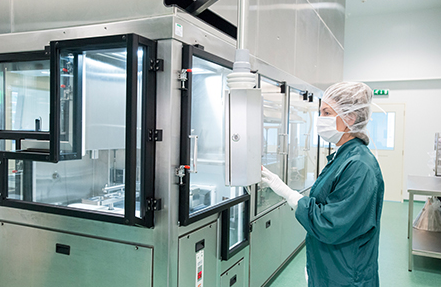
  • GMP-certified manufacturing processes
  • Ongoing clinical evaluation and publication
  • Applications across both human and veterinary medicine

This cross-over between human and veterinary medicine reflects the long-term research, development, and manufacturing expertise behind Arthramid.

Learn More About Conutra

Research That Continues to Evolve

Research into 2.5% iPAAG continues across equine, canine, and human joint health applications through ongoing clinical studies, conference presentations, and international collaboration.

As understanding of synovial health and osteoarthritis evolves, Arthramid® continues to build on more than 25 years of research, practical veterinary application, and long-term clinical experience.

Interested in talking to us and learning more?

Send us a message and we will get in touch

BOOK NOW
Vet pulling Arthramid box out of draw

Get The White Paper

This field is for validation purposes and should be left unchanged.

Secret Link